
A deep cleaning is the most thorough cleaning a home gets. It reaches the places a regular visit skips and resets the home to a clean baseline. Whether you plan to do it yourself or hire a deep cleaning service, a checklist helps make sure nothing is missed.
Here is what a full deep cleaning covers, room by room, in the order that works best.
The order matters
Work top to bottom and dry to wet. Dust high surfaces first, then clean counters and fixtures, and finish with floors. Within the house, many cleaners start in the rooms that take longest, usually the kitchen and bathrooms, and finish in bedrooms and living areas. That way the floors are cleaned last, after all the dust has fallen.
Kitchen
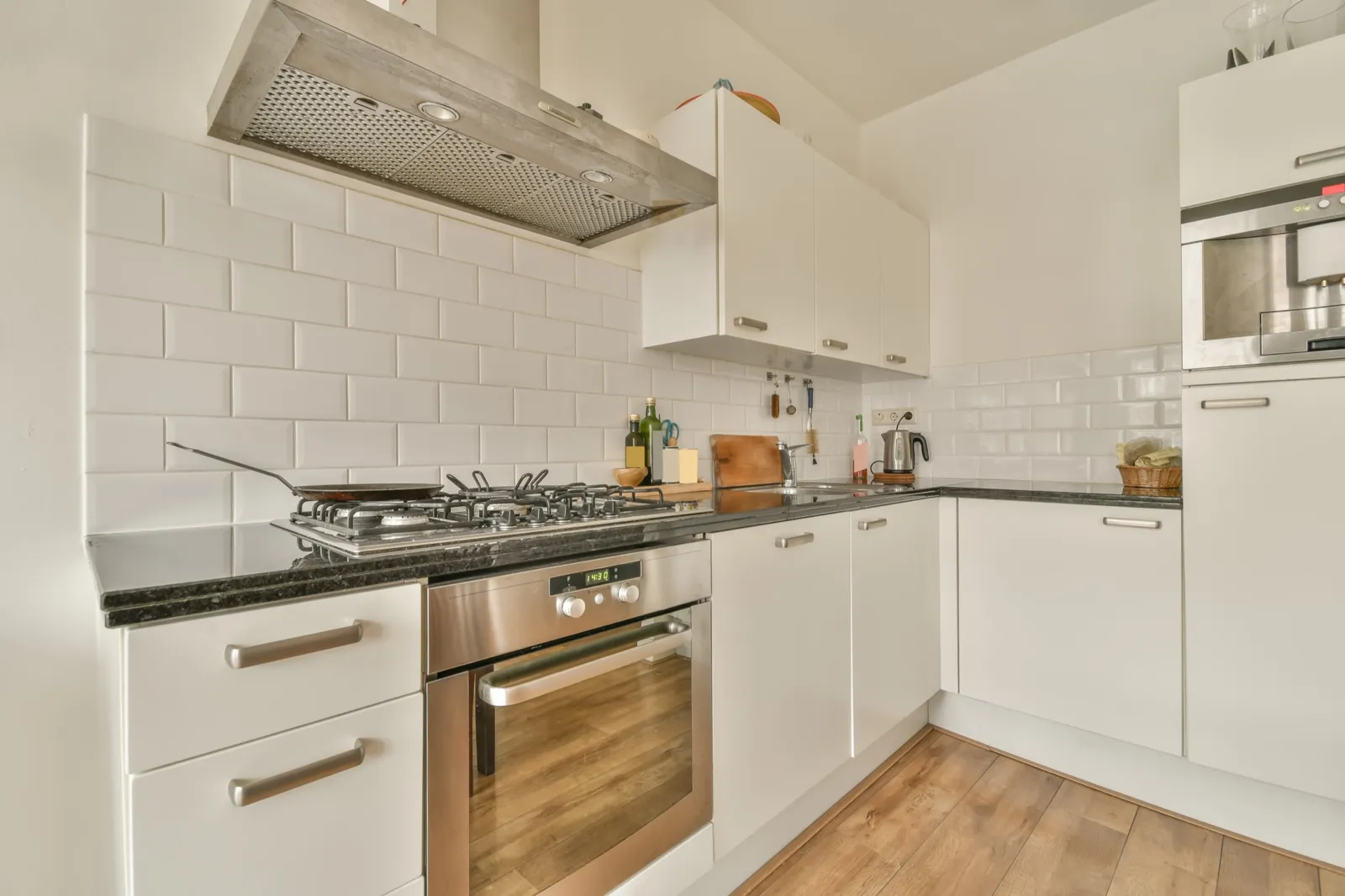
Dust the tops of cabinets and the refrigerator. Wipe cabinet fronts and handles, where fingerprints and grease collect. Clean the backsplash, including the grout lines behind the stove. Degrease the range hood and the stovetop, including under burner grates. Clean the microwave inside and out, the outside of the oven and dishwasher and the front of the refrigerator.
Scrub the sink and clean the buildup around the base of the faucet. Wipe light switches and outlet covers. Clean the floor along the edges and in the corners, and under the edge of the cabinets where crumbs settle.
Bathrooms
Dust light fixtures and the exhaust fan cover. Clean mirrors and glass shower doors without streaks. Scrub the tub and shower walls, focusing on soap scum and hard water marks, and the grout lines and caulk. Clean faucets and shower heads, including the buildup around their bases.
Clean the toilet inside and out, including the hinges of the seat, the base and the floor behind it. Wipe cabinet fronts, baseboards and the door frame. Wash the floor by hand in the corners.
Bedrooms
Dust ceiling fans, light fixtures, the tops of doors and window casings. Dust headboards, nightstands and dressers, including the top of tall furniture. Clean mirrors. Wipe window sills and vacuum the tracks. Vacuum under the bed and along the edges of the room. Wipe baseboards, door frames, light switches and door handles.
Living and dining areas
Dust shelves, picture frames, lamps and electronics. Vacuum sofa cushions and under them. Wipe window sills and clean the inside of sliding doors and their tracks. Dust the dining chairs and the legs of the table, where dust collects unnoticed. Wipe baseboards by hand. Vacuum rugs in more than one direction and clean the floor underneath them if they can be moved.
Entries, stairs and hallways
Clean the inside of the front door and the door glass. Wipe the stair railing and spindles, which are touched every day and collect a surprising amount of dust. Vacuum the stairs carefully, edge by edge. Clean the entry floor, which on Cape Cod holds sand in summer and road salt in winter.
What is usually separate
Some jobs are usually separate from a standard deep cleaning, such as the inside of the oven or refrigerator, the outside of windows, carpet shampooing, walls from top to bottom or heavy post-construction dust. If you need any of these, ask when you request your estimate so the plan is clear.
Laundry room and mudroom
These rooms work hard and are often forgotten. Wipe the tops and fronts of the washer and dryer, clean the area around them where lint and dust collect, wipe shelves and cabinets and clean the sink if there is one. In the mudroom, clear sand, salt and grit from the floor, wipe benches and hooks and clean the door.
On Cape Cod, the mudroom is the first line of defense against sand and winter salt. A clean mudroom keeps the rest of the house cleaner.
Windows, sills and tracks
Window sills and the tracks of windows and sliding doors collect dust, pollen, sand and insects. Vacuum the tracks with a crevice tool, then wipe them with a damp cloth. Clean the inside of the glass and the window frames. In homes near the water, a damp cloth followed by a dry one removes the salt film that makes glass look dull.
Tools that make it easier
A good deep cleaning uses microfiber cloths that trap dust, a vacuum with a crevice tool and a soft brush, a soft scrub brush for grout, a squeegee for glass and cleaners suited to each surface. Natural stone counters and some wood finishes need gentle products, so check before using anything strong.
Changing cloths often matters as much as the products. A dirty cloth just moves dirt from one surface to another.
After the deep cleaning
Once the home is at a clean baseline, keeping it there is much easier. A regular cleaning every two weeks maintains the work, and a few daily habits help: wipe the kitchen counters at night, squeegee the shower glass after use, keep shoes at the door and take a minute to put things away before bed.
Most homes benefit from another deep cleaning once or twice a year, often in spring and before the holidays, or before family visits.
Preparing your home
Before the deep cleaning, pick up clothes, toys and papers so surfaces and floors are reachable, and point out any delicate items or finishes. If pets will be home, plan where they will stay during the visit.
Hiring a deep cleaning service
A full deep cleaning takes many hours for one person, which is why many families hire it out once or twice a year. Keide's Cleaning Services does deep cleaning across Cape Cod, Plymouth and Kingston. We are family-owned, licensed and insured, with more than 20 years of experience, and if something was missed we come back and re-clean it at no cost. Call or text (774) 487-7671 for a free estimate.
Frequently asked questions
01How long does a deep cleaning take?
It depends on the size and condition of the home. A deep cleaning always takes longer than a regular visit, especially the first time.
02Is the inside of the oven included?
It is often a separate request. Ask when you request your estimate so the plan includes everything you need.
Related services
Serving
Found this helpful? Make us a preferred source on Google.